Product Details
Back to Product List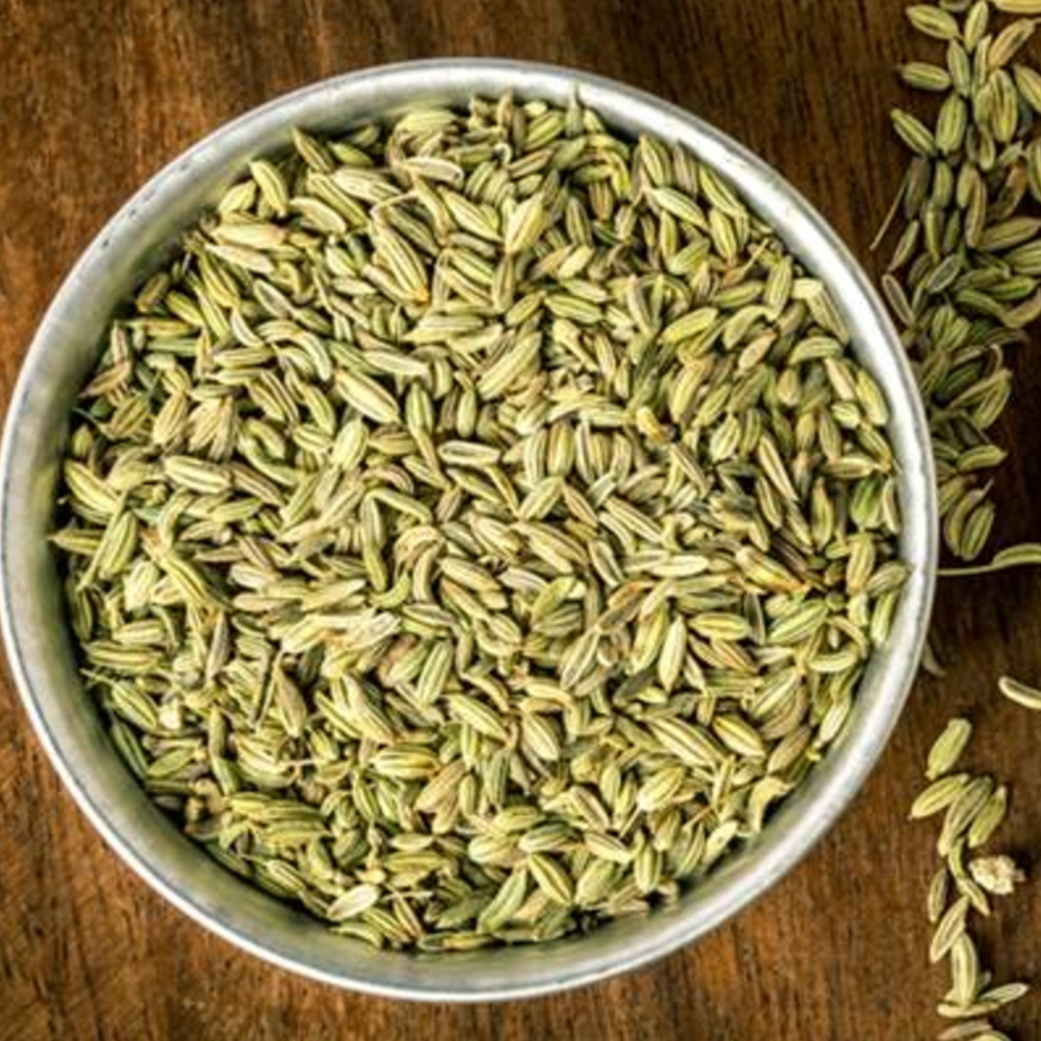
Fennel
- Dry Goods
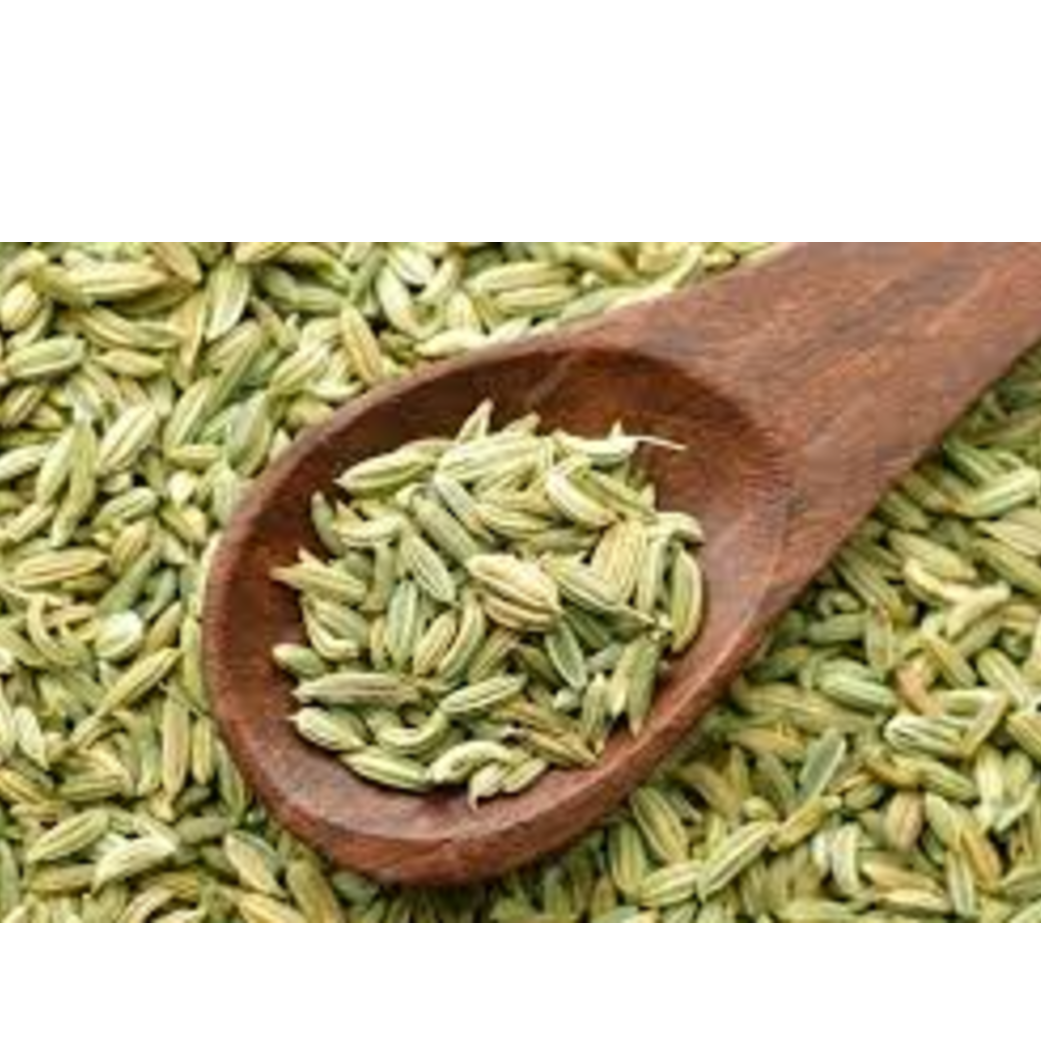
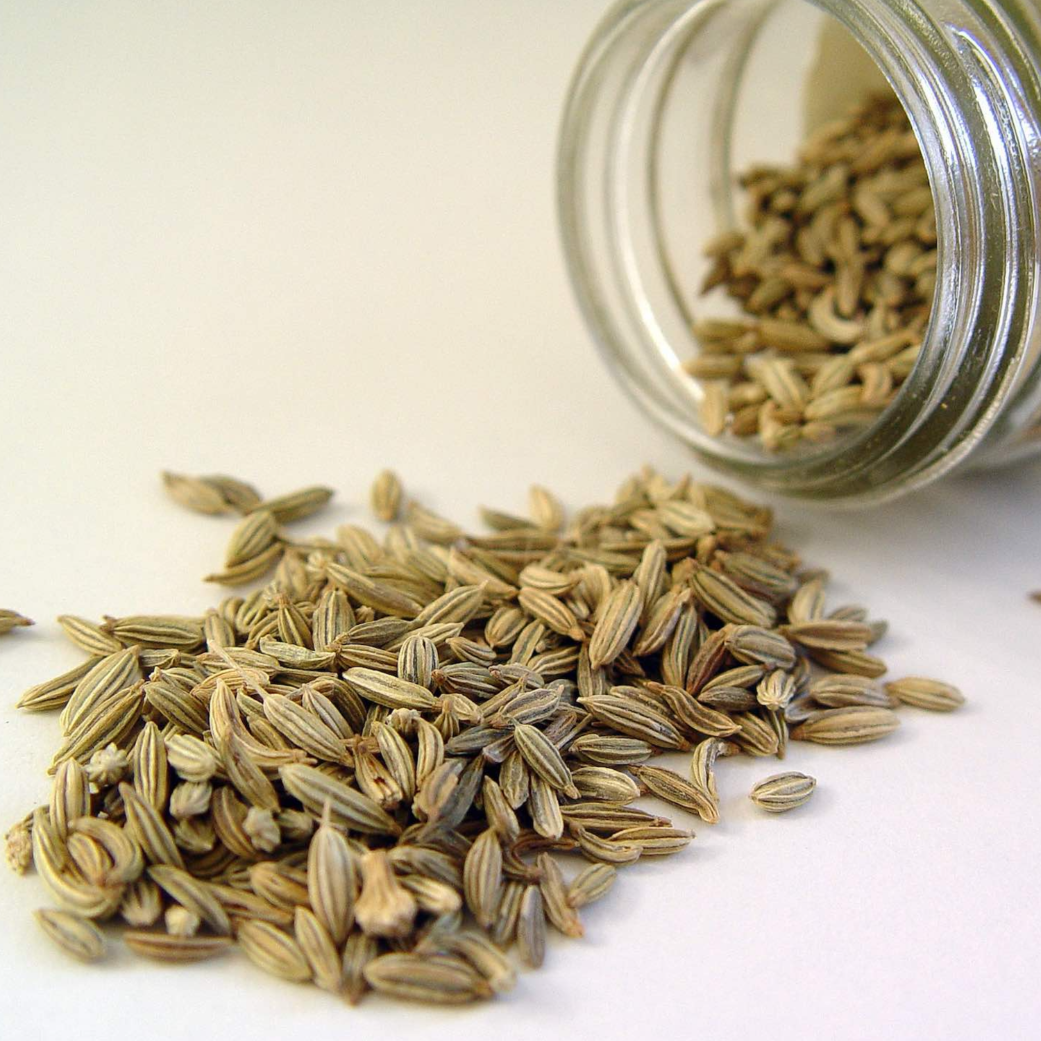
Fennel is traditionally added to bread, and is also often used in cakes and baked goods. It also lends an aromatic flavor to sweet and savory dishes from around the world. Soups, sauces, fish, pork, poultry, potatoes, onions, olives and oranges all take on a fresh, slightly bitter flavor when fennel is added. Briefly toasting the whole seeds in a dry pan will release a more intense flavor. Fennel fronds, on the other hand, should not be cooked, but rather scattered over the dish raw.As far as connoisseurs are concerned, it is hard to beat fennel in terms of its versatility. The fennel bulb is used as a vegetable and its fronds can be used as an herb in the same way as dill, while fennel pollen is used as an exclusive spice. The fennel fruits (often referred to as “fennel seeds”) are particularly popular. Their intense, sweet flavor is reminiscent of anise and licorice. There is evidence that the plant was known of as far back as 5000 years ago — the ancient Greeks called fennel “marathon.” The fact that this is the same as the name of a famous location near Athens is no coincidence. The Greeks defeated the Persians there in 490 BC, and are believed to have named the famous spot after the herb, which was growing in abundance in the area.
Exhibitor Details
Other Product
Anise
Mando Company Retail and Wholesale Trade
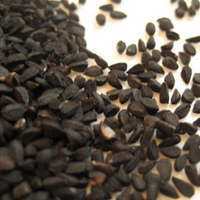
Black seeds
Mando Company Retail and Wholesale Trade
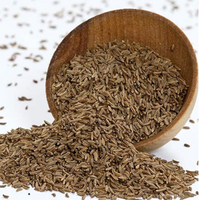
Caraway
Mando Company Retail and Wholesale Trade

Chamomile
Mando Company Retail and Wholesale Trade
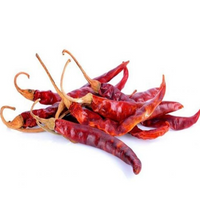
Chili
Mando Company Retail and Wholesale Trade
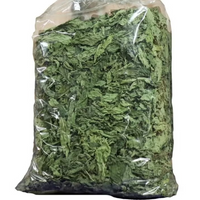
Corchorus olitorius / Molokhia
Mando Company Retail and Wholesale Trade
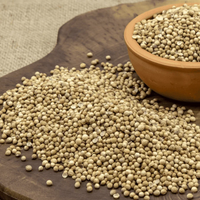
coriander
Mando Company Retail and Wholesale Trade
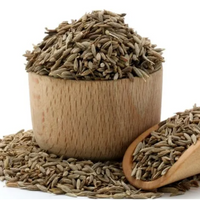
Cumin
Mando Company Retail and Wholesale Trade
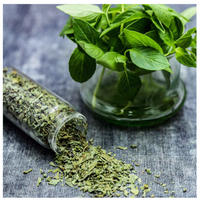
Dried Basil
Mando Company Retail and Wholesale Trade
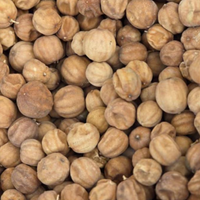
Dried lemon
Mando Company Retail and Wholesale Trade
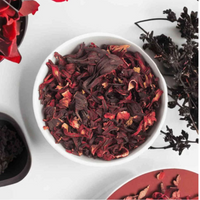
Hibiscus
Mando Company Retail and Wholesale Trade
Laurus nobilis
Mando Company Retail and Wholesale Trade
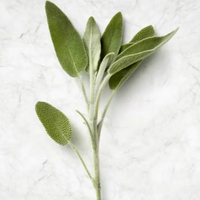
Sage
Mando Company Retail and Wholesale Trade
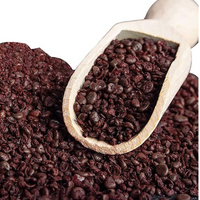
Sumac
Mando Company Retail and Wholesale Trade
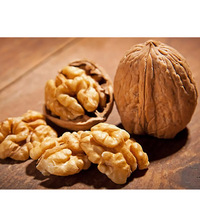
Walnut
Mando Company Retail and Wholesale Trade